


Why Your Corporate Event Needs a Headshot Station
Recently, one of my favorite clients Rescale, hosted their team at The LINE Hotel in Austin.
A headshot station works best when it reflects the culture of your company, brand, and people. When the experience is genuinely comfortable and fun, employees spread the word. It becomes something people want to do, not something they feel obligated to check off.

Consistency Matters. Personality Matters Too.
Consistency in headshots plays an important role in how a company presents itself. When images live on a website, in internal directories, across LinkedIn, or in press materials, they should feel like they belong to the same team. Consistent lighting, framing, and overall quality help establish trust and professionalism at a glance. My biggest critique of where companies often go wrong is pushing consistency too far.
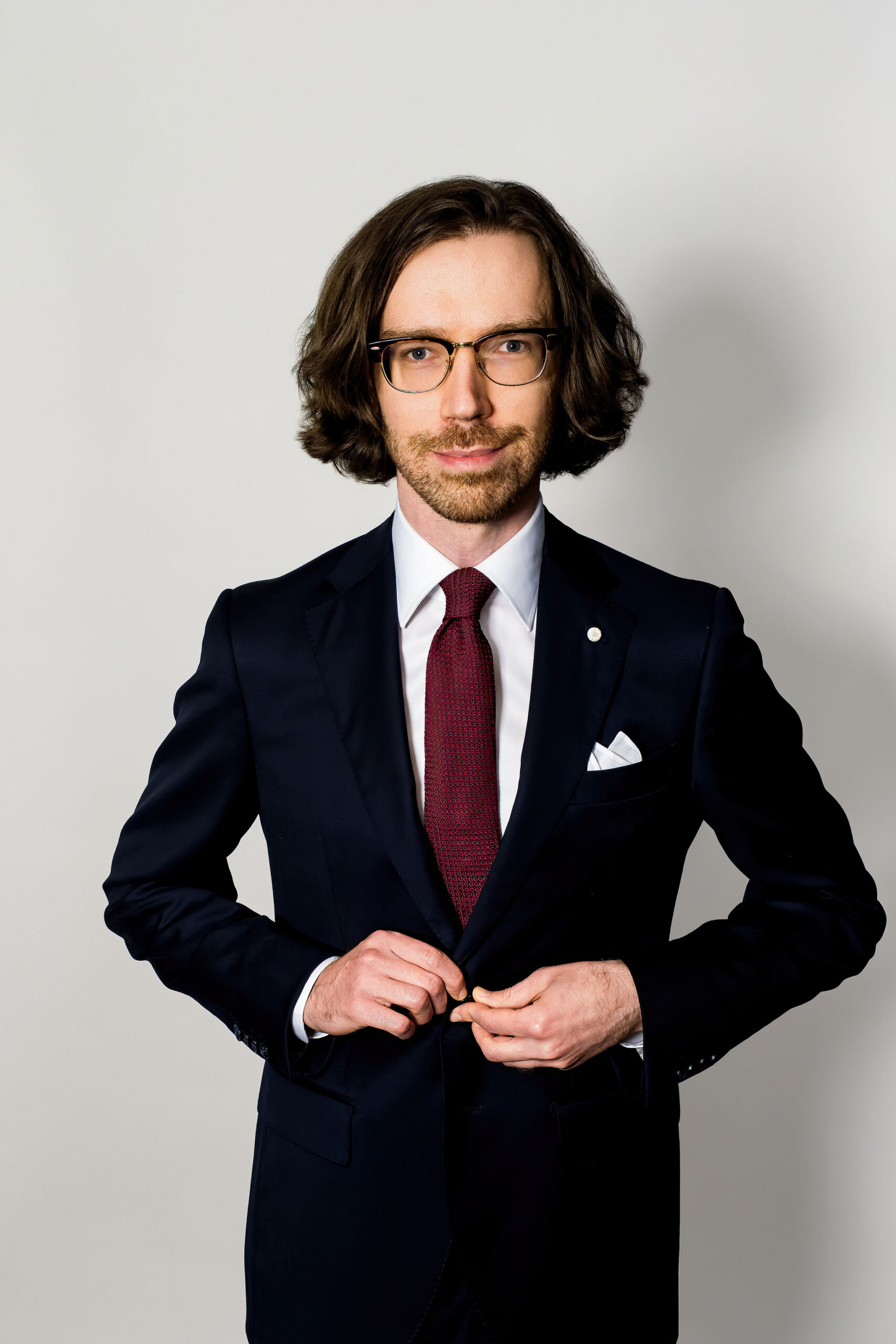
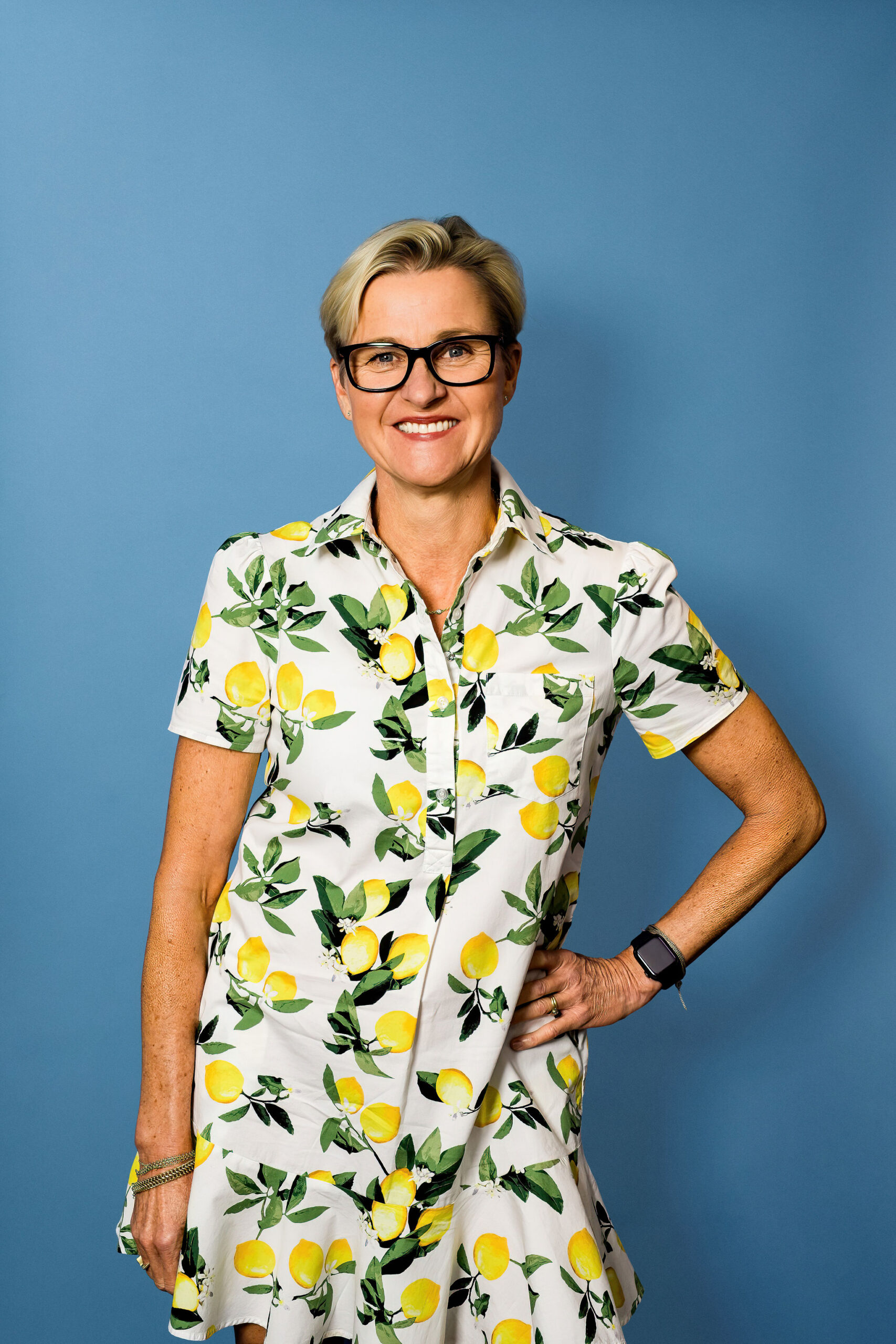
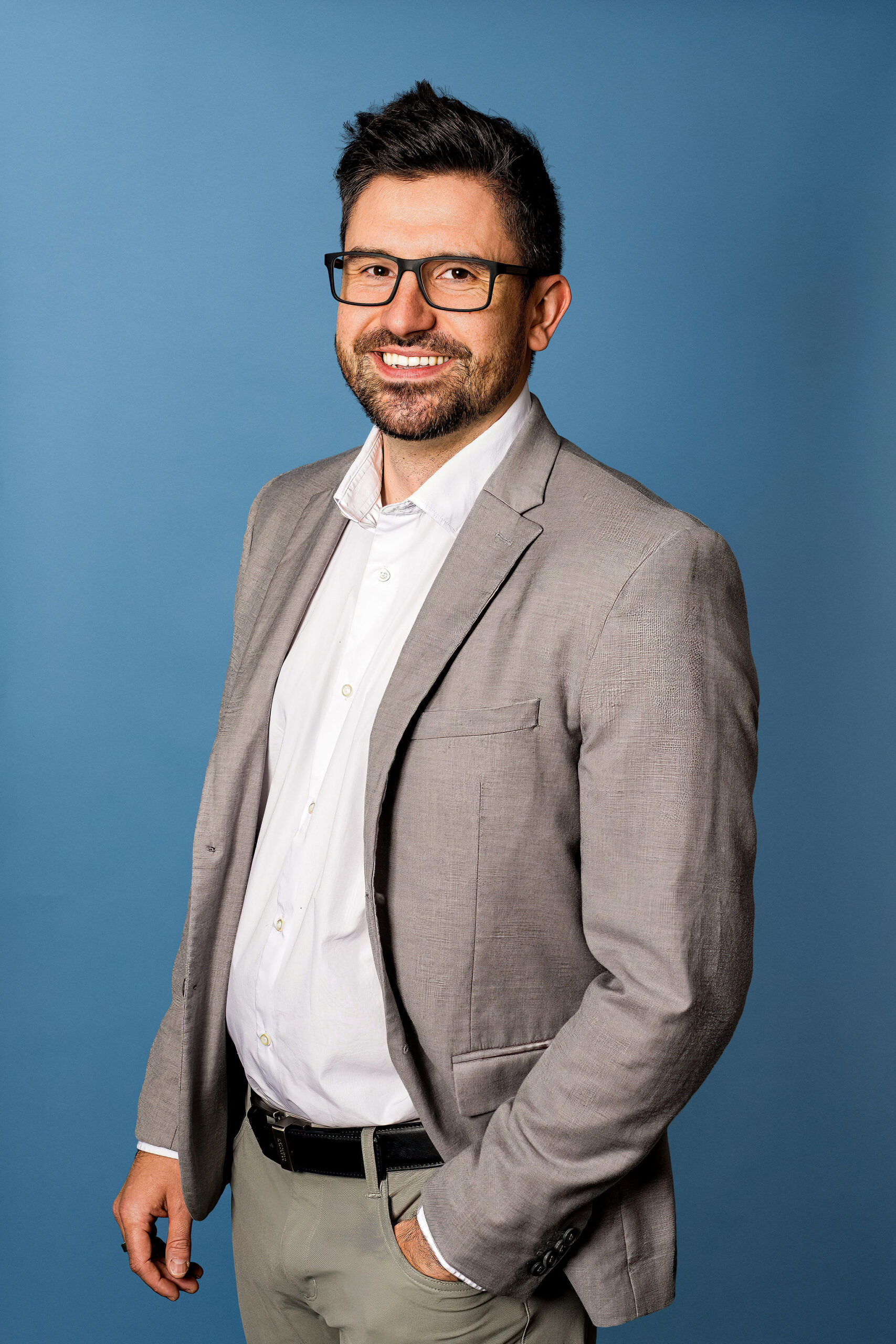
When headshots become overly uniform, people stop looking like themselves. No one has fun. The photographer doesn’t take the time to learn about the person in front of them. They don’t ask questions or take their time, or leave room for experimentation. The result is that expressions start to not just feel forced, but look forced. What I see all too often is a basic station that is head-only, with poses that feel rigid and identical for every single person. The images may technically match, but they lose warmth and individuality. Your people aren’t uniform – should their photos be? At the end of the day, how do you want your employees to be perceived?
My goal is always cohesion without sameness: a shared visual foundation paired with direction that adapts to each person. Some employees need clear guidance to feel confident in front of the camera. Others just need a moment to settle in. My job is to assess people VERY quickly, get the pulse of their personality, adjust their posture quickly to suit their body types, manage their expressions by making them feel at ease, and pull out the inherent energy on a person-by-person basis. Does that sound easy to you? It’s my secret sauce for what keeps a consistent set of headshots from feeling stiff or impersonal.
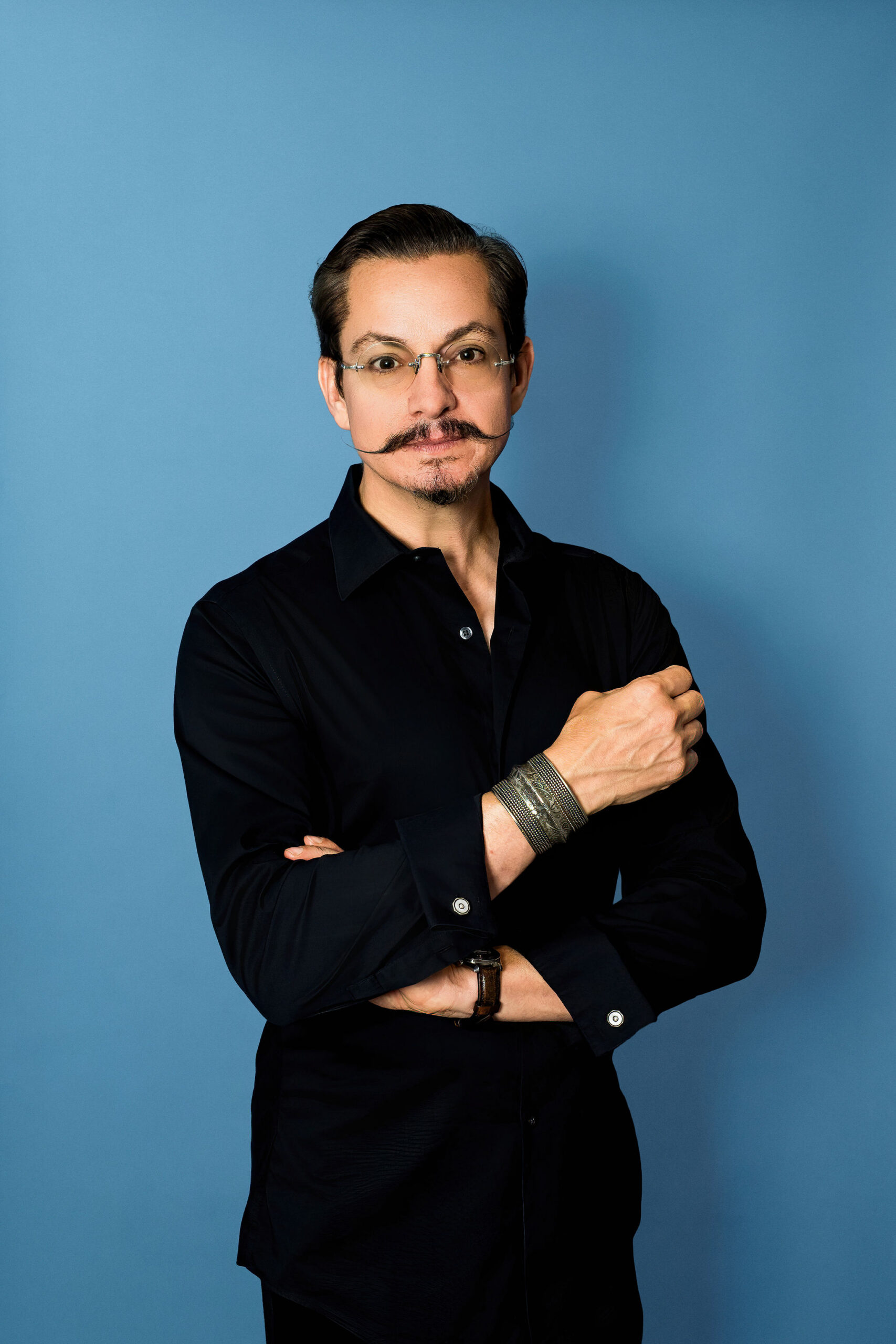
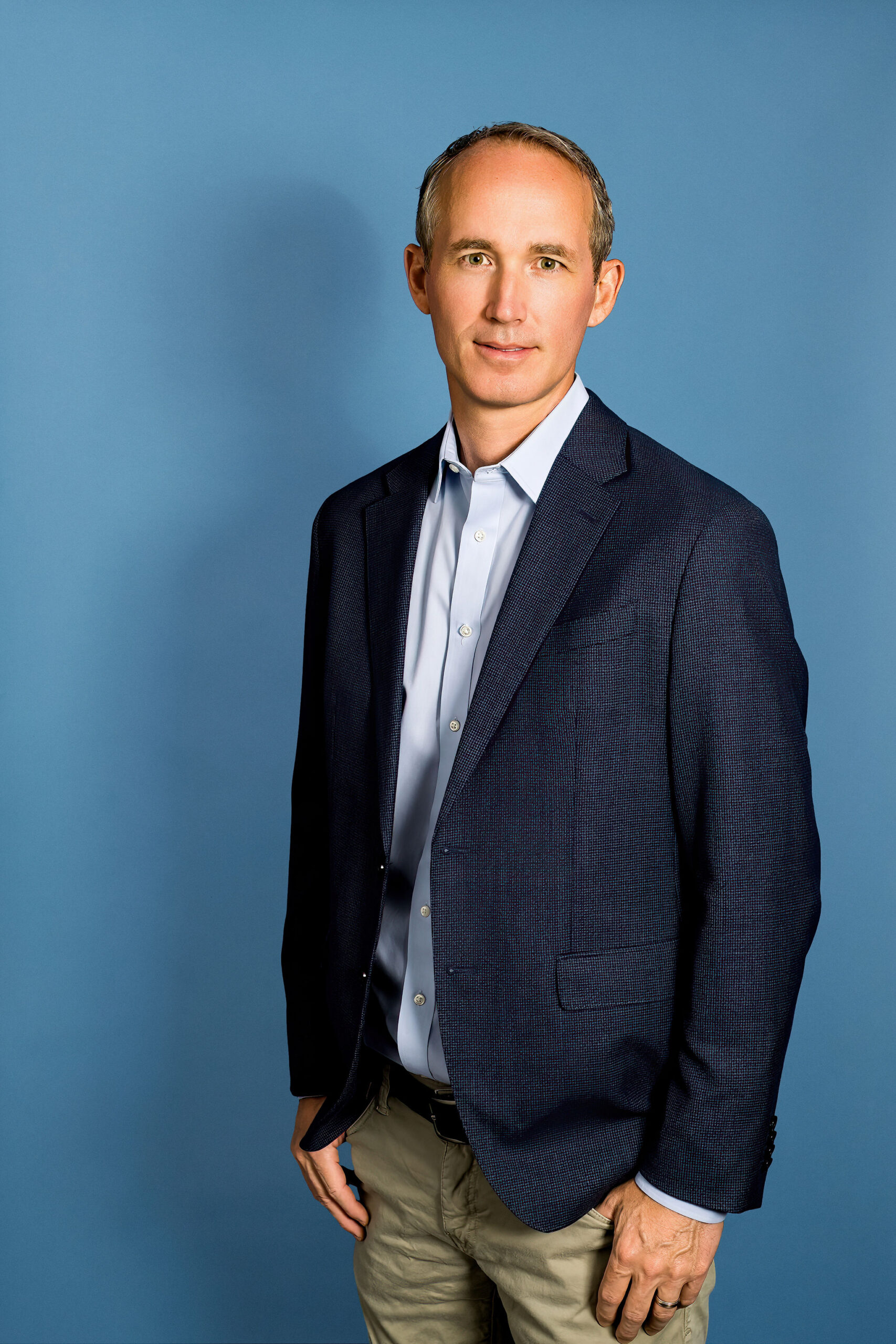
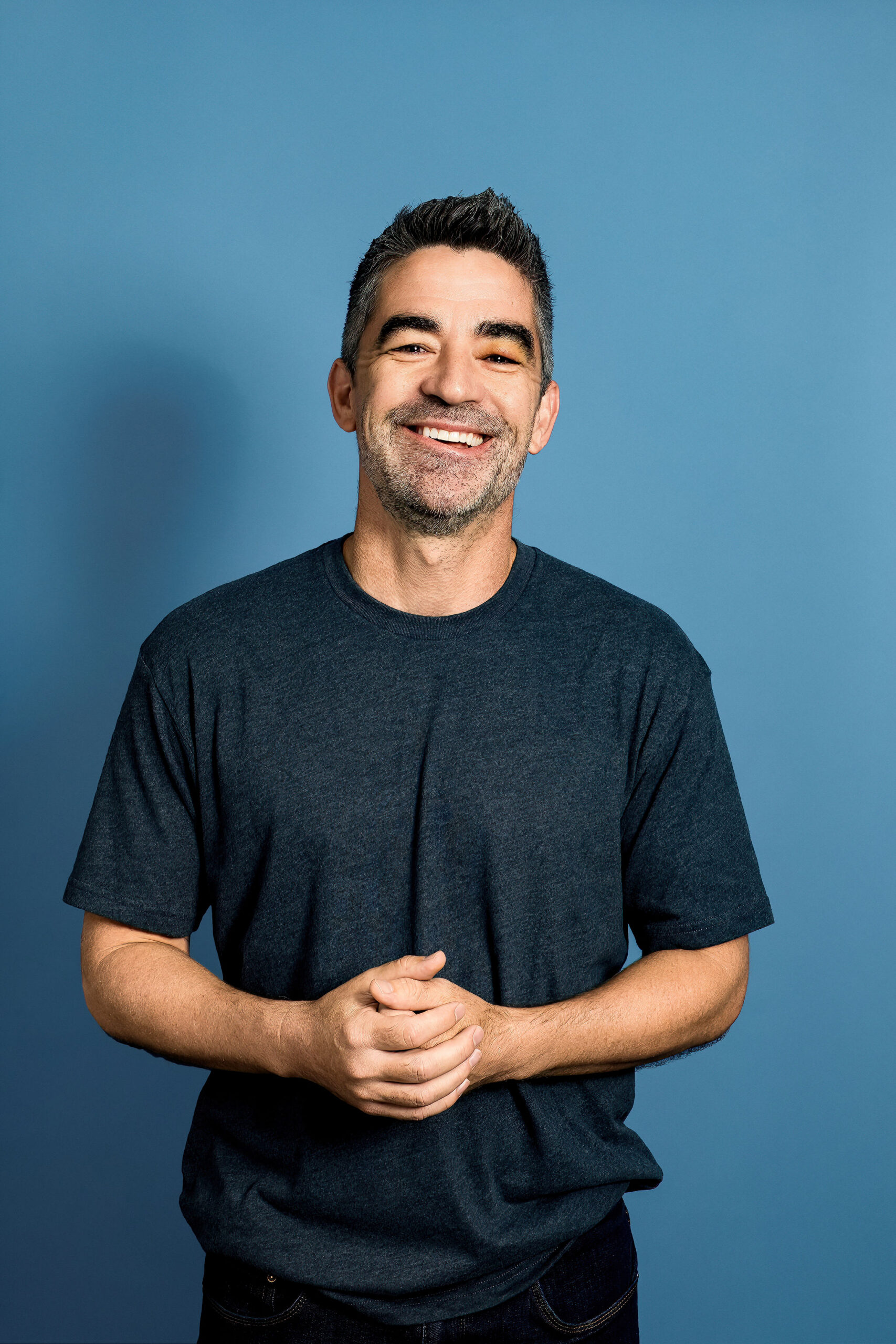
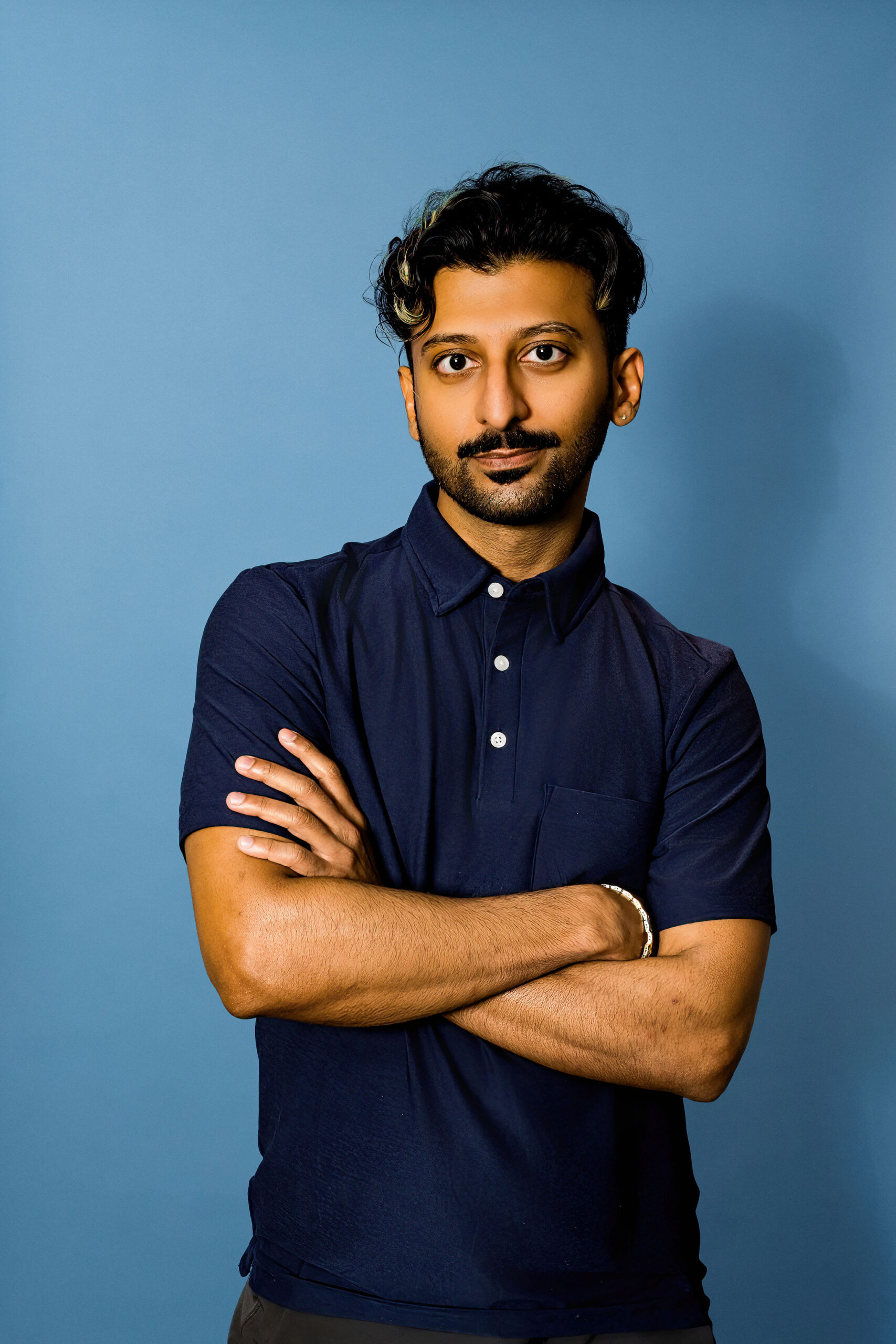
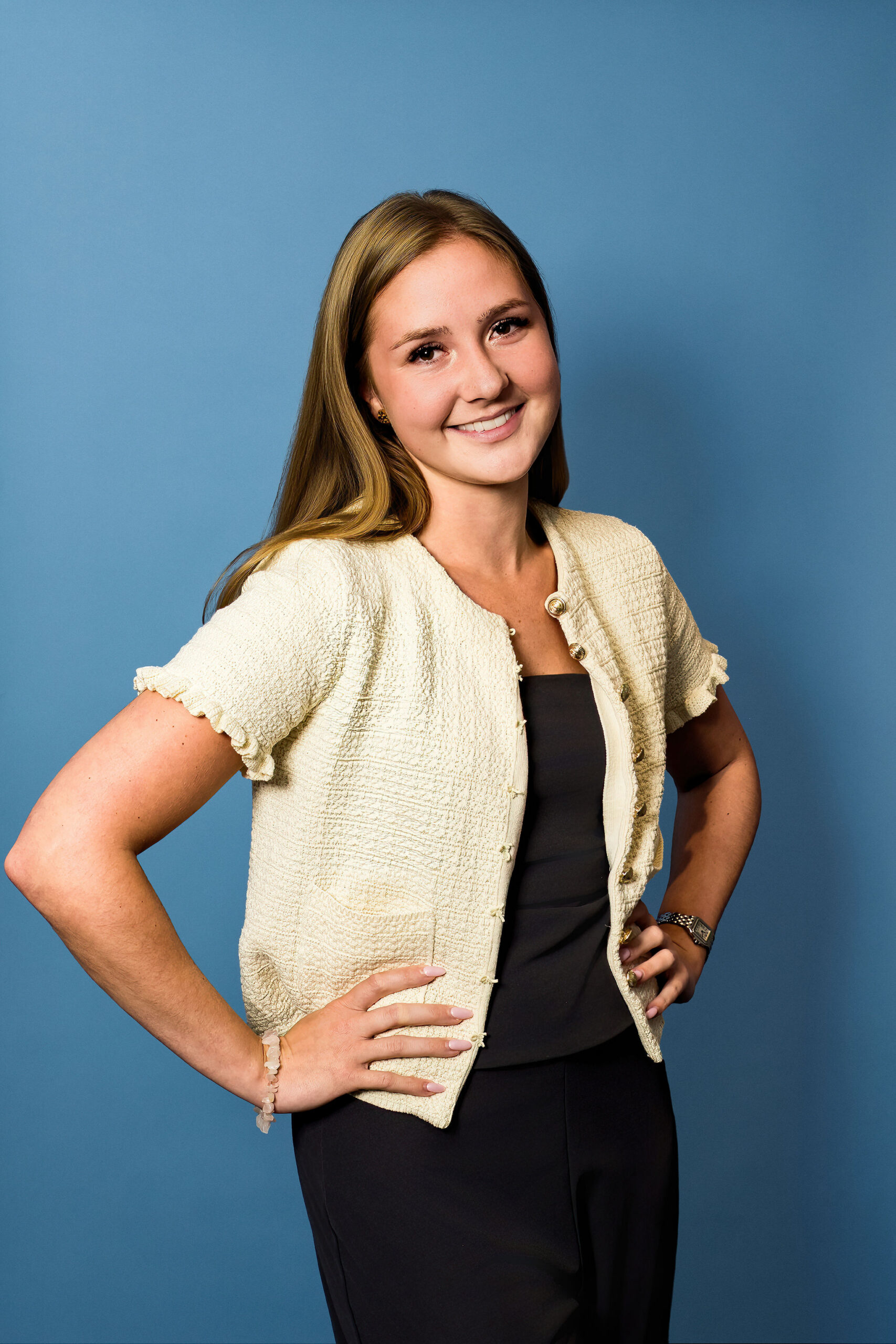
This balance was especially important for Rescale. As a remote-first company with a globally distributed team, their headshots needed to feel unified while still representing a wide range of personalities. I suggested that we use two different backdrops, one white and one in “Rescale blue” for a clear brand identity, but that would give people a lot of options for end use. By prioritizing both consistency and individuality, the final images felt polished, approachable, and genuinely reflective of the people behind the brand.
When employees recognize themselves in their headshot, they are far more likely to use it. And when a company presents a consistent but human visual identity, it shows care. Not just in branding, but in people. That’s my kind of client!


Structuring a Corporate Event Headshot Station That Actually Works
How a headshot station is structured matters just as much as how it looks. One of the most common mistakes I see is forcing it into a rigid schedule that does not account for the pace of the event or the number of people involved. That approach often creates pressure, long lines, and rushed interactions, none of which lead to strong photos.
The right structure depends largely on headcount. For smaller teams, usually around 60 employees or fewer, allowing people to pre-schedule their headshot time ahead of the event can work very well. It gives structure, sets expectations, and helps people arrive prepared. When headshots are scheduled in advance, I am also able to share clear guidance beforehand on what to wear, how to prepare, and what to expect. That shows up in the final images, and it cuts down on the number of times I have to side-eye one of your engineers who came into their session wearing a wrinkly t-shirt. I can’t go for that, no no no.
For larger teams, open availability is often the better option. At the Rescale event, there were approximately 160 employees in attendance. Trying to lock everyone into a fixed schedule would have added unnecessary stress and pulled people away from sessions and conversations that mattered. Instead, the headshot station was open for most of the event, with people stopping by during breaks or free time. We loosely gave teams and larger departments target times to stop in when we thought it would suit their schedule best. This approach removed pressure and increased participation. Employees were able to come in when they felt ready, not when a calendar reminder told them to. It also respected the flow of the event since headshots did not compete with programming or networking.
From a photographer’s perspective, this structure matters. A steady, manageable flow allowed time for me to engage everyone in brief conversation, real direction, and small adjustments that make a meaningful difference in how someone shows up on camera. Whether headshots are scheduled in advance or offered as an open resource, my goal is the same: to provide an experience that elevates confidence, allows everyone to have a fun and seamless experience, and create final images that people love.



Brand Alignment Is Often the Missing Piece
One of the most overlooked aspects of a corporate event headshot station is brand alignment, and I’m not talking about a logo-on-your-backdrop kind of way, but in how the images actually feel when someone sees them later. Headshots communicate more than professionalism. They quietly signal company culture, leadership style, and how a brand shows up in the world. When those signals are misaligned, even technically strong headshots can feel off. They may look polished, but they do not feel right.
This is where a one-size-fits-all approach tends to fall apart. Different companies need different things from their headshots. A fast-growing startup, a long-established enterprise team, and a nonprofit all benefit from very different visual cues. The goal is not to impose a look, but to understand the company well enough to photograph people in a way that makes sense for who they are, how they work, and often, the options that we have in terms of time and space when we are all in the same place.
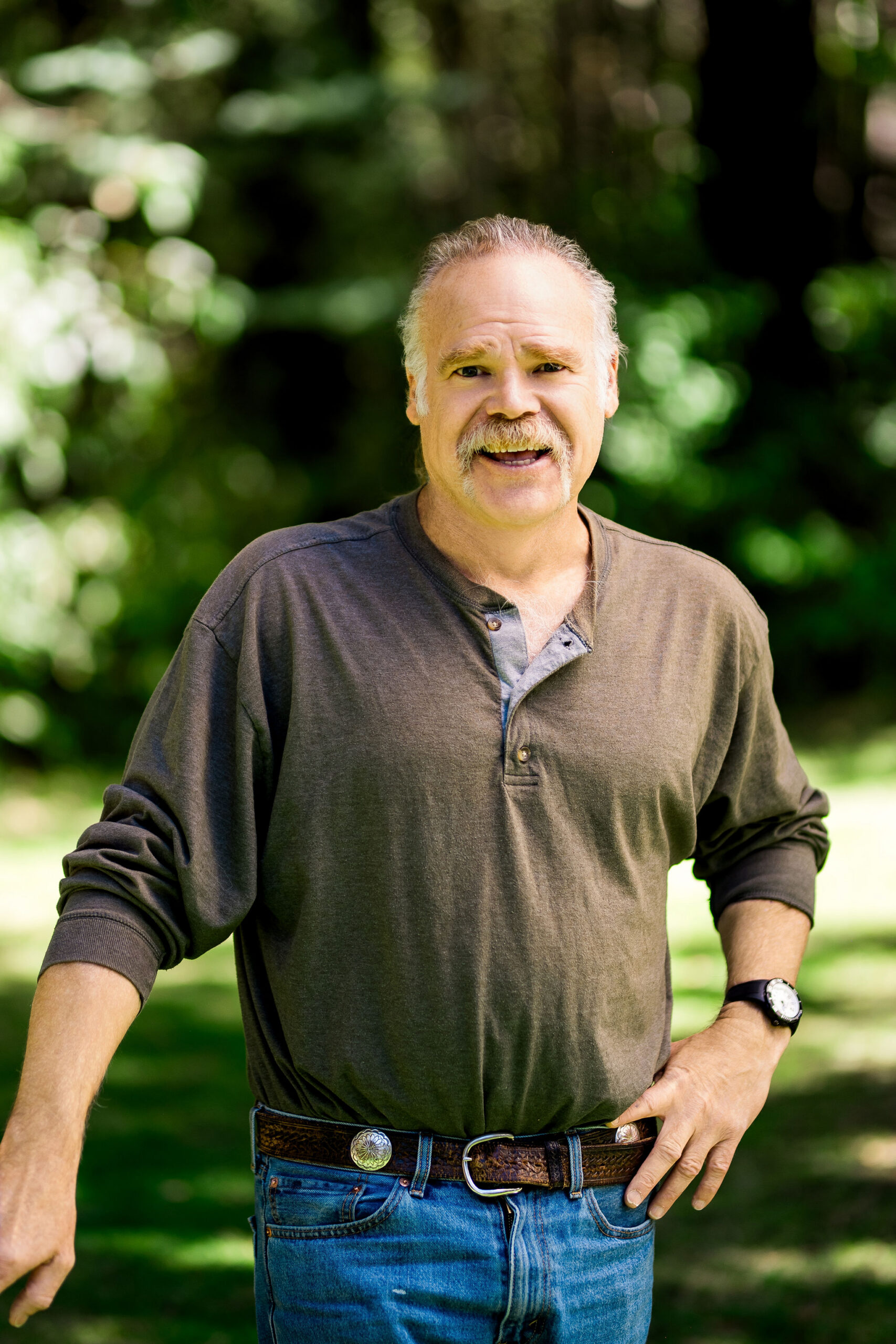
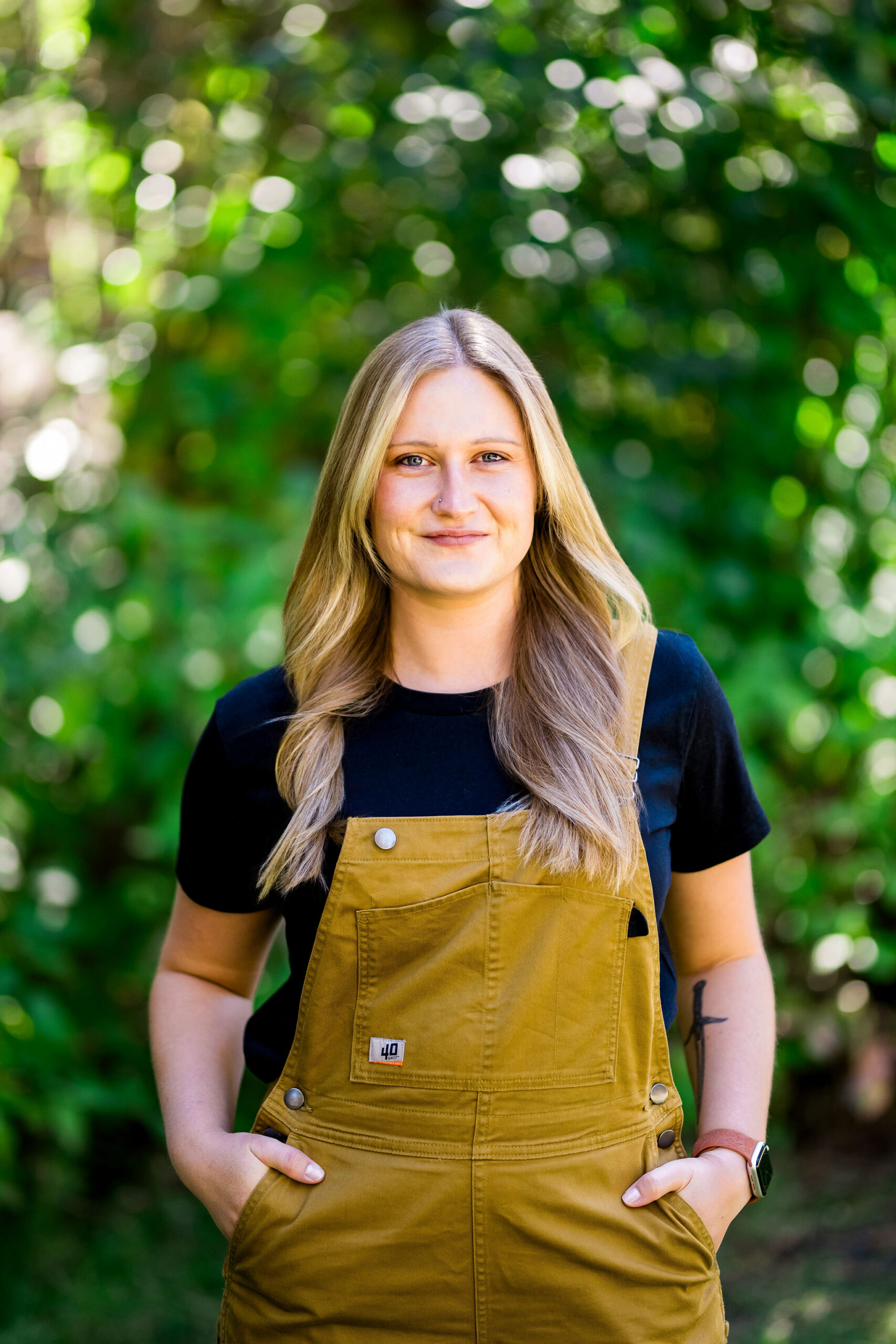
I once photographed an entire set of company headshots for an environmental nonprofit during their corporate event in Tahoe. Photographing that team inside a boardroom or against a seamless backdrop would have missed the point entirely. Their work lives outdoors, so their headshots also need to. I found a great location to photograph everyone outside, surrounded by trees, in natural light, adjacent to the corporate event location that they were utilizing. The setting reinforces who they are without needing explanation.


Events bring together people who may rarely be in the same place at the same time. For remote and hybrid teams especially, headshots often become the most consistent visual representation of the company, and those images eventually live on websites, internal platforms, speaker bios, press materials, and recruiting pages. The visual cue of uniform but personality-driven headshots helps reinforce company culture, teamwork, and pride.
Brand alignment also means knowing when not to over-style. Not every company needs dramatic lighting or a bold visual statement. Sometimes clarity, approachability, and restraint serve the brand better. Other times, a stronger point of view is exactly what helps a team stand out. Knowing the difference comes from paying attention to personality, asking questions, and having enough experience to make those decisions quickly.


ROI That Extends Well Beyond the Event
One of the strongest arguments for including a headshot station at a corporate event is how long the value lasts. Unlike many event elements that exist for a moment and then disappear, headshots continue to work long after everyone has gone home.
Externally, the use cases are obvious: LinkedIn profiles, speaker bios, and press requests are easier to fulfill, and sales and marketing teams have access to consistent, professional imagery that reflects the people behind the brand. In short, images show up on websites, pitch decks, conference materials, and recruiting pages, often for years.
Internally, the value is just as meaningful and often overlooked.
At Rescale, headshots play a role in how they recognize and celebrate their team. They award a monthly GRIT Award and pair that recognition with an employee’s headshot. Putting a face with a name reinforces visibility across a remote workforce and makes internal recognition feel personal and intentional.
Headshots are also used across internal platforms like Slack, employee directories, all-hands presentations, and onboarding materials. For remote and hybrid teams especially, these images become a familiar visual touchpoint. At Rescale, they now have personality-driven headshots they can use internally to support camaraderie, recognition, and connection. Long after the once-a-year event wraps, those images continue to reinforce culture and goodwill in small, everyday ways.
This is where event-based headshots tend to work especially well. Because everyone is already together, participation builds naturally over time. As the days went on, word started to spread that the experience was relaxed and, dare I say, fun. More people stopped by, some returning more than once with different outfits once they realized they had the time and space to experiment a bit.
When the experience is genuinely positive, people are far more likely to use the images afterward. One of the ways I measure that success is simple. I notice how many people update their LinkedIn headshot shortly after the event. It is a quiet signal, but it confirms immediately that I did a great job.
I think that most business owners can recognize that sometimes the return on investment is not about volume, it’s about quality and usefulness. When headshots are done thoughtfully, they support external marketing, internal culture, and individual confidence all at once. That is a rare overlap, and it is why the right choice and investment in headshot stations continue to be one of the most practical additions a corporate event can make to its corporate event.

A Thoughtful Addition With Lasting Impact
When done well, a headshot station is more than an add-on at a corporate event: it’s an investment in your company culture, your people, and your team building, and it indicates to clients how your company shows up in the world. I would argue that the number one way this shows up between what I offer and what a basic headshot station offers is specifically in how people are treated. How much care is taken to balance consistency with personality, efficiency with ease, and brand alignment with real human connection?
If you are planning a corporate event and considering a headshot station, I am always happy to talk through what would make the most sense for your team. Every company is different, and the best results come from tailoring the experience to the people in the room. If that sounds like your approach, let’s talk.

Leave A Comment