



After a few late nights, seriously far and wide exploration, and pasta-fueled days in Rome, I hopped on a high-speed train and landed in Florence about two hours later. The whole thing is simple and painless. If you’re planning to hit both cities, the train is by far the easiest way to move between them. You grab a cappuccino at Termini, blink twice, and you’re stepping off at Santa Maria Novella ready for a smaller, more compact, and highly walkable city that still manages to hit you in the face with beauty every time you turn a corner.
The crowds were definately still in full capacity in Florence, but depending on how you choose to move about the city and what you decide to do, they are completely avoidable. The pace felt a bit slower than Rome and it made long languid mornings on my Airbnb patio welcome.
Here’s how I ate, wandered, and drank my way through 3 days in Florence with just enough structure to find the gems and still leave room to get lost.

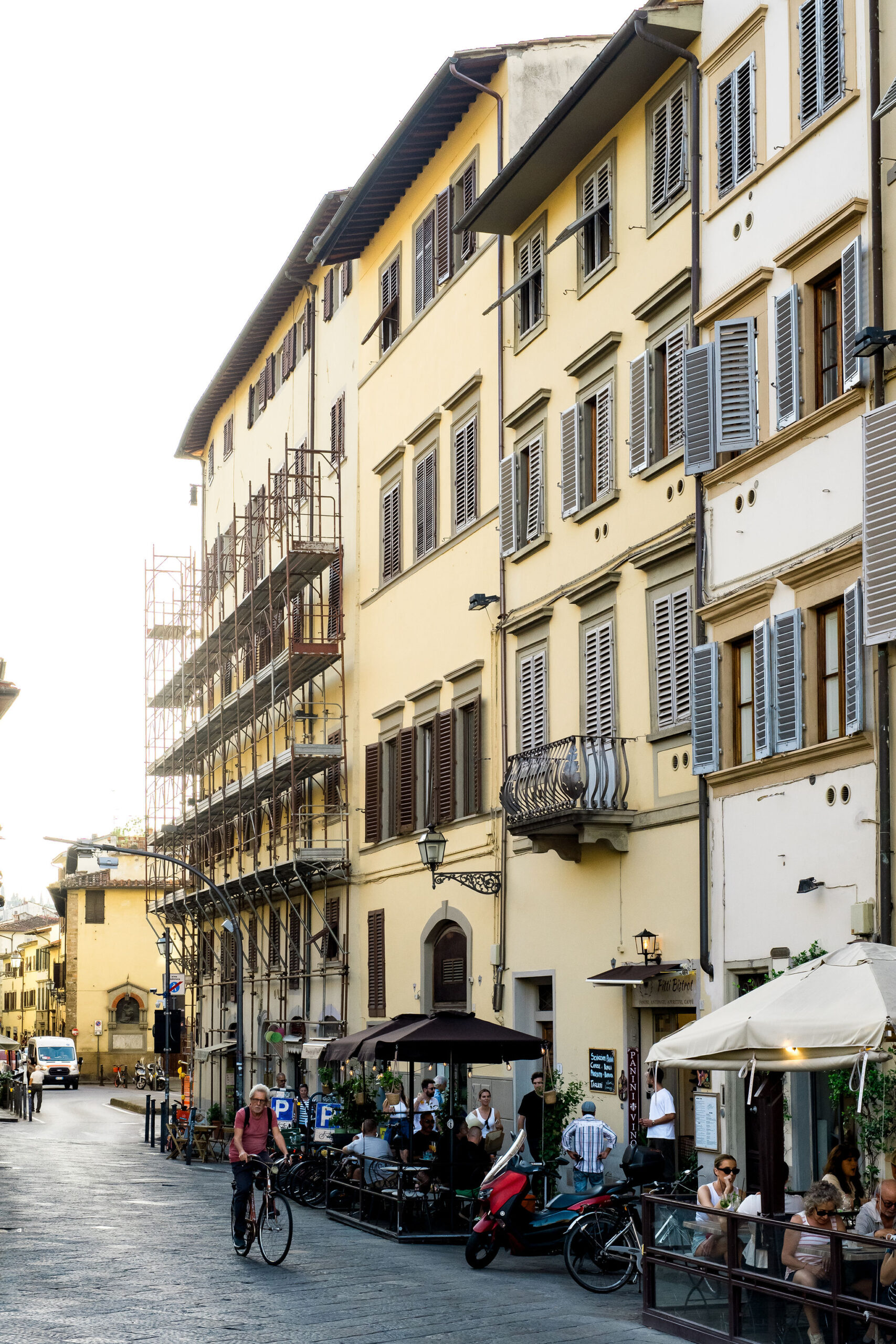

3 Days in Florence: Where to Eat
I got extremely lucky on the food front thanks to my friend Morgana, who is originally from Italy and works with European wine and spirits at Colangelo. We worked together this past year at the Barolo and Barbaresco World Opening in Austin, TX and immediately discovered that we have very similar tastes in wine, food and travel. She gave me an incredibly long list of places to try in Florence, and every single one that I managed to hit was worth the reservation. And speaking of reservations, you need them. In Rome I had a very easy time just walking in places and getting seats and tables for one, but in Florence, that was a hassle without reservations. Some places allow you to make them online but there’s a few that you need to call or walk by while you’re wandering.
Florentine cuisine is a shift if you’ve just come from Rome. It’s heartier, meat-forward (it’s all about that steak y’all!), and less about pasta and sauce. Everything felt a bit heavier: meat bolognese, rich stews, big steaks, and rustic simplicity. The dishes feel slower, simple, and rooted in tradition over flash, though I did find a few small places that offered some twists on standards.
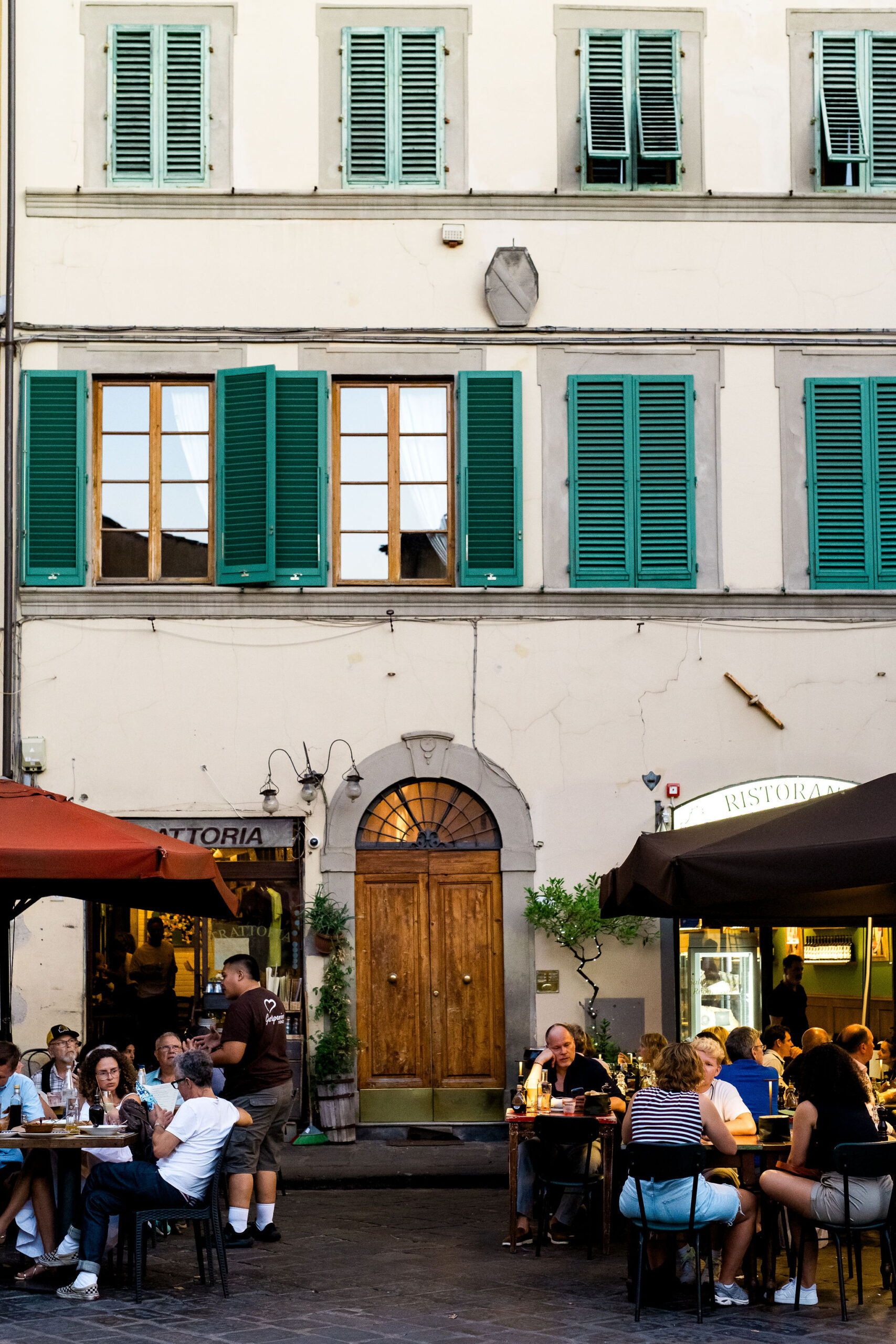


The Antico Ristoro di Cambi: Incredibly traditional, no-frills, filled with locals at lunch, and exactly the kind of place you start your trip with for some traditional Florentine food. It’s casual, busy, and unapologetically traditional. Whether you are seated inside or out, it’s charming and delightful. If you have a friend to share your meal with, go for the steak here, but if you don’t, do as I did and get yourself some Pappardelle with wild boar sauce. You can make reservations online.
Vini e Vecchi Sapori: This was my absolute favorite meal. You cannot make reservations online but the charming gentleman owner told me to come back at the end of lunch service and he squeezed me in. Everything about this tiny restaurant is a vibe. It’s tucked away on a small narrow side street near Piazza della Signoria. It’s tiny and popular so it books out fast (you can call for that reservation before you get to Florence). The menu is handwritten and changes often and has side notes that say things like “Fuck Cancer” and “NO SPRITZES.” If you go to anywhere on this list, it should be this one.
Trattoria La Casalinga: This is where you go for bistecca alla fiorentina. The space feels like a wine cellar that grew into a restaurant, and the portions are not shy. If you’re into big cuts of meat and classic Tuscan sides, this is your stop. Definitely share the steak, and don’t skimp on asking for the nicer bottle of wine to go with it. The service is perfunctory and fast because it’s ALWAY full. They have packed the tables into seemingly endless rooms and I was thankful for it, because my two closest dining companions were also solo travelers and it allowed us to all share dishes so we could try more things!
Il Latini: If you can’t get a seat at Casaligna, this is your next best steak option. If you’re traveling solo, you should know that instead of a Florentine steak, they also offer a small filet cut so it made it a wonderful option for me. It’s loud, chaotic, filled with locals, and fun if you’re in the right mood. You’ll probably walk out full and slightly confused. It was a win for me. You can book reservations online.
Floret: If you hit a point where you need something lighter or greener, Floret now has two locations in Florence and offers great coffee, alongside fresh clean salads, smoothies, and beautiful pastries. It was the best croissant I found in Italy. It’s clean, airy, offers relaxed and unfussy co-working, and is a good place to regroup if you’ve been eating like a medieval king for three days. Or just need a beautiful spot to have a coffee, a glass of prosecco, and a quiet moment to regear for more walking, as I did.
Dalla Lola: Modern inventive wild Tuscan, but not fancy. Think creative but not stuffy, or like they took their grandmother’s dishes and then decided to add some surprise twists. The menu changes daily and is written on a chalkboard. The room feels tiny, packed and VERY full of life. You must have a reservation to get in here and they sat me next to a lovely woman who was on her first solo travel ever and we were also able to share dishes, which was a delight.


3 Days in Florence: Where to Drink
I didn’t have to try very hard to drink well in Florence. Good wine is everywhere. It’s on the menu at the most casual trattoria, poured generously at dinner, and sold by the glass at tiny corner shops with three stools and no sign. And if you’re paying attention, you’ll start spotting the wine windows. These little arched holes in the walls date back to the plague days and were used for contactless wine service. A few of them are still in use, which honestly feels like the most Florence thing ever.
The region around the city is home to some of Italy’s most iconic wines. Chianti Classico is the big one, made mostly from Sangiovese and known for being dry, structured, and solid with food. But there’s a lot more happening if you start looking. You’ll find small producers making super Tuscans, skin-contact whites, and lighter reds that don’t show up on export lists. The by-the-glass options in Florence beat the bottle list at most restaurants elsewhere and at a few places they offered splits of nicer chiantis that I really loved with my steaks.
If you want a curated experience or just someone to talk to about what you’re drinking, these two spots stood out:
Enoteca Bellini: Small, but hard to miss, and absolutely worth hunting down. In the evening the street outside is filled with locals standing in the street drinking wine, smoking, and endlessly chatting. There will be so many people that it’s hard to get inside, where there are a handful of tables, a few seats at the bar, and a space for the street stalkers to go inside and order. The bar offers regional specialties with a focus on natural wine and they were happy to make recommendations and guide you through the list despite how busy they were. Wines by the glass rotate often and lean local. It’s the kind of place where you end up staying longer than planned because the vibe is vibrant and the next pour is always unique and interesting.
Caffè Notte: This felt like a bar bar and a truly locals bar. It’s dim, dark and offered sangiovese out of a giant barrel with a tap on it for 3e. More laid-back than a true wine bar, but still a great place to post up for a drink or two and if you’re going for a meal at Dolla Lola, it’s literally on the adjacent corner. It felt frequented by neighborhood locals seeking out company after dinner with their dogs in tow.


3 Days in Florence: What to Do to Skip the Crowds
Florence is a city best explored on foot. If you want to travel like me, skip the checklist or a packed itinerary and just start walking. The streets are full of texture, and the real charm shows up in the quiet corners, narrow alleys, and light bouncing off stone walls. I am certainly a plan of: the less you plan, the more you notice. If you let yourself get a little lost, maybe you’ll find some gems.
That said, there are a few experiences worth making time for, especially if you want a break from crowds and want to actually connect with the place. I specifically sought out things that wouldn’t be packed with people (read: no David statue).
Tuscan Trails Wine Tour: If you’re leaving the city for a day, this is the right call. The owner Todd, who also runs the tour, is originally from the US and has lived in Tuscany long enough to make it his own. The day was absolutely lovely and full of laughs, great scenery, and incredible food. We visited two wineries, each one with its own style and great histories and stories that Todd shared with us. We started at Castello del Trebbio and finished at Fattoria Selvapiana, with lunch in between.
Lunch was a full sit-down meal with local dishes and more wine, set on a quiet hilltop surrounded by vines and olive trees. The pace was relaxed and the setting was beautiful. It felt like a proper escape and like we were being served by a family. Easily one of the best things I did in Florence and I cannot recommend my experience and day with Todd at Tuscan Tastings enough.


The Waterfront (Arno River): The Arno River waterfront is beautiful almost any time of day, even when you’re covered in sweat, but at golden hour it’s particularly beautiful. I found my time wandering the riverfront far more worthy and lovely than visiting the Piazzale Michelangelo at sunset which I found to be incredibly over-crowded to the point of being not enjoyable.
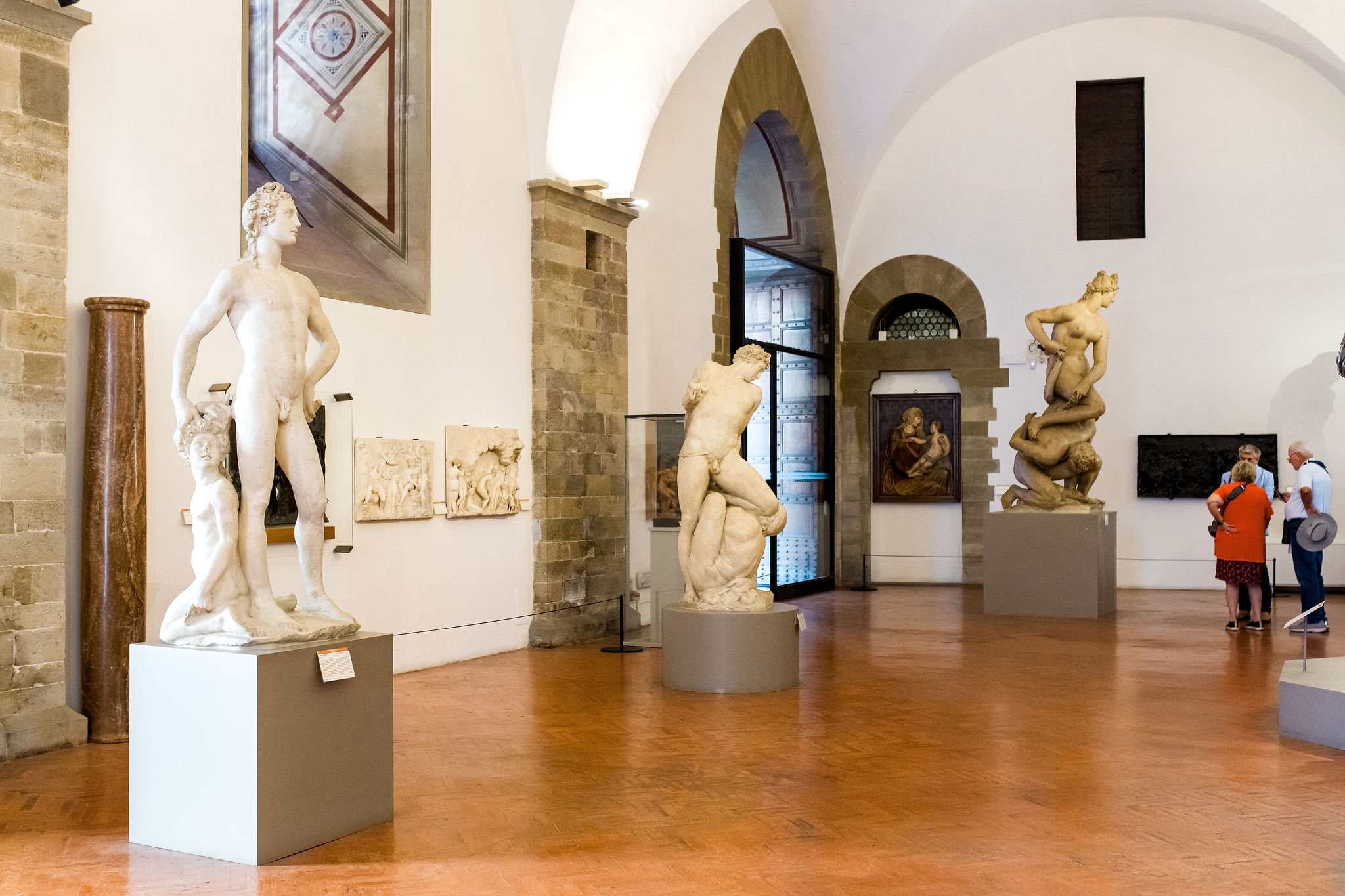
Museo Bargello: If you’re into sculpture and skipping the crowds, this museum’s a win. Donatello, Michelangelo, and hardly a soul in there. In any other city, this museum would be a must-hit but because it’s in Florence, it gets overshadowed by it’s bigger grander busier cousins. It’s cool, quiet, and full of weird faces carved in marble. It’s also housed in the oldest public building in the city. What more do you want?

Museo Galileo: Science nerds, rejoice. This place is packed with old instruments, globes, telescopes, and general proof that Italians were doing the most in the 1500s. The sheer amount of beakers, tubes, and general collective stuff for science was beautifully curated and fastinating to wander through and read about. You can easily visit this and the Bargello in one afternoon if you so choose.
Basilica of Santa Croce: Better than the Duomo in terms of peace, art, and overall energy. It’s where Michelangelo and Galileo are buried, so it’s heavy on Renaissance ghosts. Honestly there’s a LOT of people buried here (over 250 people alone in the church floors, not counting the tombs you can’t see). My best friend Anne worked here when she lived abroad giving tours and told me to make sure I popped in and the incredibly lofty ceilings, details and history were worth the small admission price.


Three days in Florence is enough to get a feel for it if you don’t waste your time in bad restaurants and overcrowded museums. If you want to do it like I do, my tl:dr is that you should walk a lot, eat what the locals eat regionally, drink all the wine, and don’t overthink it. If you want to purchase prints or see more of my photos from Florence, please reach out. I found Florence to be incredibly charming, a little bit slower, and quite lovely. I don’t think I needed more than three days here, but if the opportunity arose, I would never say no to another dinner at Vini e Vecchi Sapori.



Leave A Comment